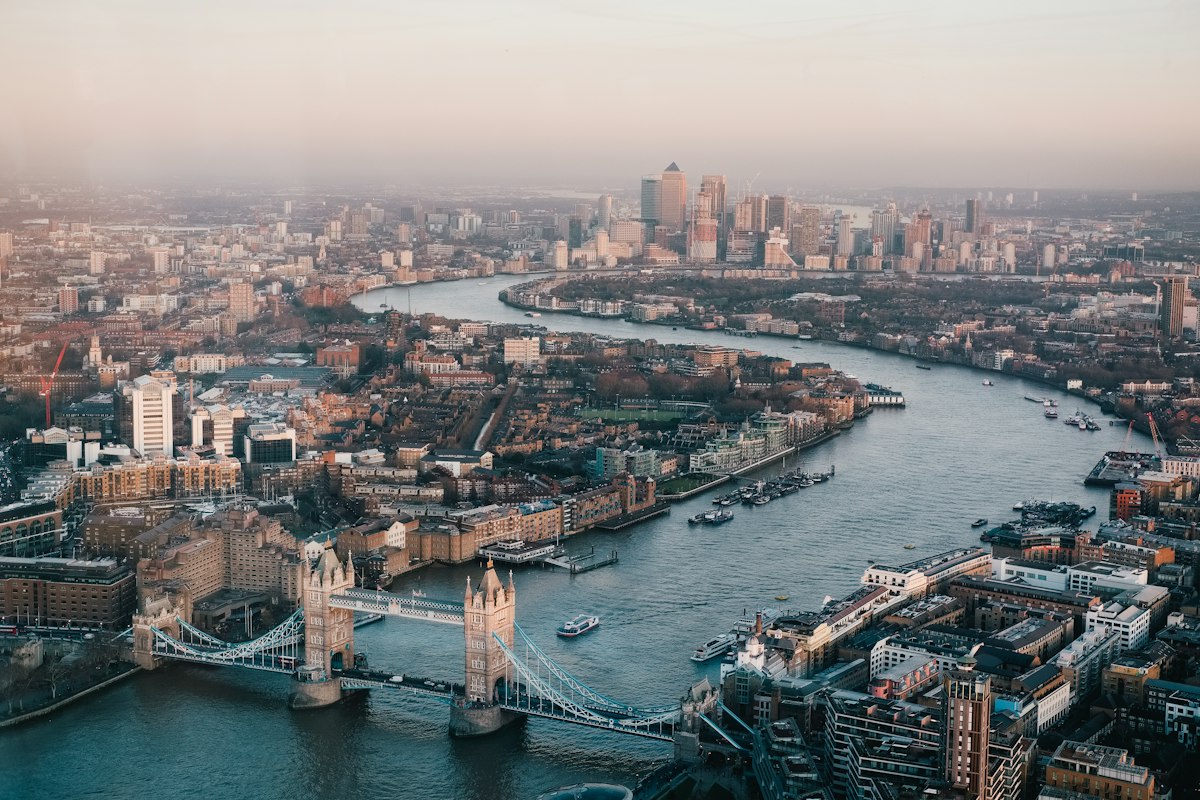
London's street pattern is unlike any other major world capital. Rather than following a rational grid or planned design, it grew organically over two millennia, creating a fascinating tapestry of historical layers that tells the story of the city's development.
Roman Foundations
London's story begins with Roman Londinium, founded in 43 AD. The Romans built straight roads radiating from their walled city, and many of these ancient routes still exist today:
- Watling Street: Now the A5, this ancient road connected London to Chester
- Ermine Street: The route north is now the A10 and A1
- The City: The Square Mile still roughly follows the Roman walls
Medieval Muddle
After the Romans left, London grew organically during the medieval period. Streets followed property boundaries, former streams, and paths between important buildings. This created the wonderfully complex pattern we see today in areas like:
- The City of London's narrow, winding lanes
- Westminster's medieval street layout around the Abbey
- Southwark's warren of alleys and courts
The Great Fire and Rebuilding
The Great Fire of 1666 destroyed much of medieval London, and Christopher Wren proposed a grand redesign with wide boulevards and spacious squares. However, property owners rebuilt on their original plots, preserving the medieval street pattern even as buildings modernized.
Georgian Elegance
The 18th century saw the creation of London's famous squares and crescents, particularly in areas like:
- Bloomsbury: Orderly squares connected by straight streets
- Mayfair: Elegant grid pattern around exclusive squares
- Marylebone: Rational street layout contrasting with the medieval city
Victorian Expansion
The 19th century brought massive expansion and modernization:
- Railway lines carved through existing neighborhoods
- New streets connected different areas
- Embankments pushed back the Thames
- Shaftesbury Avenue and Charing Cross Road cut through slums
- Suburban expansion created new garden suburbs
Modern Interventions
The 20th century added another layer:
- The Blitz destroyed areas that were rebuilt with modern planning
- Ring roads and dual carriageways improved traffic flow
- Postwar housing estates created new patterns
- Pedestrianization of areas like Covent Garden
What Makes London's Pattern Special?
Historical Layers
You can literally read London's history in its streets. Roman roads, medieval lanes, Georgian squares, Victorian arteries, and modern motorways all coexist.
Organic Growth
Unlike planned cities like New York or Barcelona, London evolved naturally over centuries. This creates visual complexity and local character.
The Thames
The river dominates the pattern, with roads radiating outward and bridges creating focal points. The historic curve of the Thames is unmistakable in any map.
Village Origins
Many London neighborhoods were once separate villages (Hampstead, Highgate, Clapham) that got swallowed up by urban growth. You can still see their original street patterns.
Creating Your London Map Print
When creating a London map print, consider these tips:
- The Whole City: Shows the Thames curve and overall shape
- Central London: Highlights the contrast between the City and West End
- Your Neighborhood: Focus on where you live or have memories
- The City: Medieval street pattern is visually stunning
- Both Sides of Thames: Shows the river's central role
"London is a city where every street has a story, and the road pattern itself is a historical document more detailed than any book."
Notable Street Patterns
The City of London
The Square Mile features the densest and most complex street pattern. Tiny medieval lanes wind between modern skyscrapers, creating fascinating visual contrast.
Westminster
From Trafalgar Square radiates a pattern of grand avenues - Whitehall, The Mall, Strand - creating ceremonial routes befitting the seat of government.
Bloomsbury
This area showcases ordered Georgian planning at its finest, with neat squares connected by straight streets - a complete contrast to the medieval City nearby.
East End
Industrial heritage meets diverse immigrant communities. The road pattern reflects centuries of working-class housing and commercial development.
Fun Facts About London's Roads
- There are over 60,000 streets in Greater London
- The shortest street is probably Crown Court in Temple (just 13 meters)
- The longest is Great Cambridge Road at about 26 km
- Over 100 streets are named "High Street"
- The City of London still uses medieval street names like "Poultry" and "Threadneedle Street"
Why Print a London Map?
A London road map makes a perfect print because:
- Instantly recognizable Thames curve
- Rich historical complexity creates visual interest
- Personal connections - where you lived, worked, fell in love
- Conversation starter about history and urban development
- Celebrates one of the world's greatest cities
Whether you're a born-and-bred Londoner, a former resident, or a visitor who fell in love with the city, a London road map print is a beautiful way to celebrate this incredible city's unique character.